
Circadian dosing focuses more on prevention instead of reaction—supporting your body before the crash.
What Is Circadian Rhythm Dosing in Adrenal Insufficiency?
Circadian rhythm dosing for adrenal insufficiency is the practice of taking cortisol replacement (such as hydrocortisone) at specific times of day to mimic the body’s natural cortisol pattern.
In a healthy body, cortisol follows a precise daily rhythm. With adrenal insufficiency, your body can’t produce this pattern on its own—so medication timing becomes essential.
The important thing is not just about what you take, but when you take it.
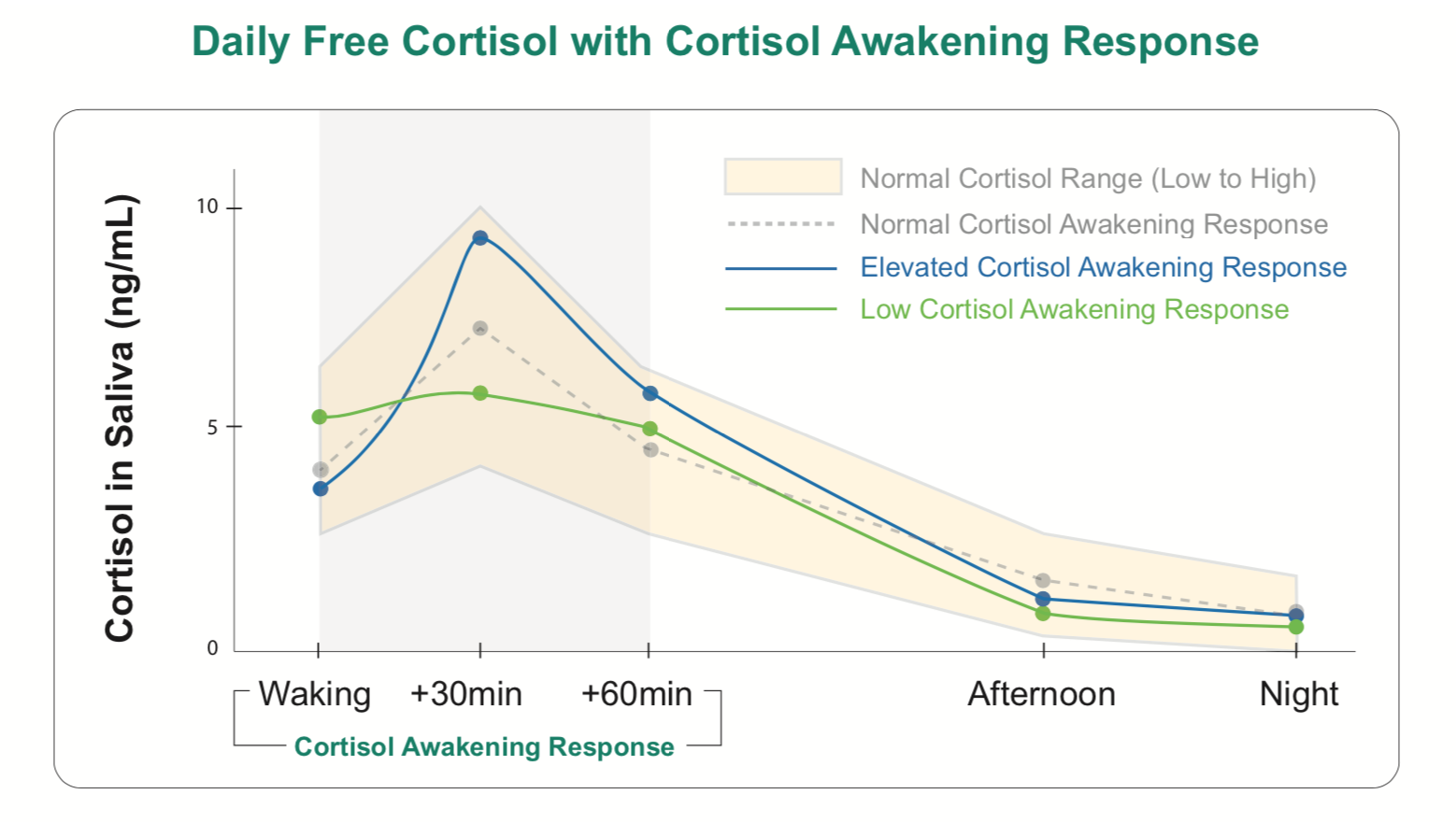
The Natural Cortisol Rhythm (What We’re Trying to Mimic)
Your body is designed to release cortisol in a very specific pattern:
Highest in the early morning (around waking)
Gradually declines throughout the day
Lowest at night to allow for sleep
This rhythm helps regulate:
Energy levels
Blood pressure
Stress response
Blood sugar
Inflammation
With adrenal insufficiency, this pattern is disrupted or absent, which is why replacement therapy must try to recreate it as closely as possible.
Why Timing Matters So Much
Taking cortisol at the wrong times can lead to:
Severe fatigue (especially mornings)
Energy crashes during the day
Sleep disruption or insomnia
Feeling “wired but exhausted”
Increased risk of adrenal crisis
Proper circadian dosing can help:
Improve morning function
Stabilize energy levels
Support more natural sleep patterns
Reduce symptom fluctuations
Common Circadian Dosing Approach (General Framework)
⚠️ This varies by individual and should always be guided by your provider—but a typical approach may look like:
Morning (Largest Dose)
Taken immediately upon waking
Mimics the natural cortisol spike
Helps with getting out of bed and early-day function
Midday (Moderate Dose)
Supports energy through the afternoon
Prevents early crashes
Late Afternoon (Small Dose)
Helps extend coverage into evening
Avoided too late to prevent sleep disruption
Evening / Night
Typically no dose (or very minimal in some cases)
Allows melatonin to rise naturally
Signs Your Cortisol Timing May Be Off
Many people assume their dose is wrong—when it’s actually the timing.
You might notice:
Struggling to wake up or get moving
Crashing at the same time every day
Needing naps just to function
Feeling alert late at night but exhausted in the morning
Waking during the night or having poor sleep quality
These patterns can point to a mismatch between your dosing schedule and your body’s needs.
Real-Life Challenge: This Isn’t One-Size-Fits-All
Circadian dosing sounds straightforward… but living it is not.
Because:
Absorption varies
Stress changes your needs
Illness or flares shift your baseline
No schedule perfectly replicates a natural adrenal system
For many people, it becomes a process of:
Adjusting timing
Tracking patterns
Learning your body over time
Helpful Strategies to Improve Dosing Alignment
You don’t have to overhaul everything at once. Start with awareness:
Take your first dose as soon as you wake up
Track energy levels at different times of day
Notice patterns in crashes or symptom spikes
Keep timing consistent when possible
Discuss adjustments with your provider
Even small shifts in timing can make a noticeable difference.
The Bigger Picture
Adrenal insufficiency changes how your body handles something most people never think about: cortisol. Circadian rhythm dosing is one way to bring structure back into something that feels unpredictable.
Related Resource
If you’ve ever experienced sudden crashes, dizziness, or that overwhelming feeling that something is seriously wrong, this may resonate: I’m Not Dying, But I’m Not Okay: Understanding Adrenal Crisis, Crash, and Flare
Subscribe to support our community. Share and spread awareness.
Disclaimer: This is for educational purposes only and based on lived experience and research. It is not a substitute for medical advice. Please consult your healthcare provider for guidance specific to you.