

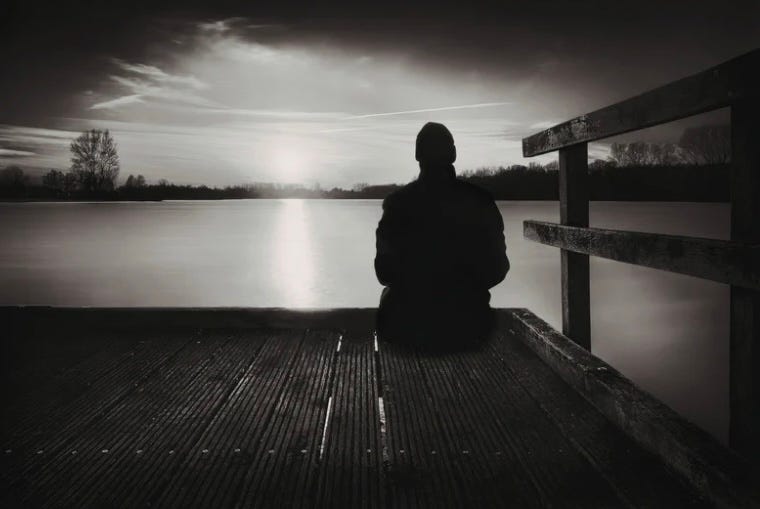
“We’re all tired.” A phrase thrown around so casually.
After a busy week, a long day, or a bad night’s sleep… it’s valid. Life can be exhausting sometimes. It’s nothing that a glass of wine, a soak in a warm bath, and a good night’s sleep won’t cure.
I miss those days. The days when tired went away with sleep and a cocktail.
There is a kind of tired that many people will never experience. Chronic illness fatigue is physically exhausting but also carries an emotional weight most people never see.
The Hidden Losses of Fatigue
Fatigue is a thief.
It steals your energy and robs you of precious time, slowly taking pieces of your life.
You may not have noticed it much at first. It was only a cancelled lunch date or leaving early from a get-together with friends. Before you know it, you’re not doing anything during the week because your energy is spent focusing on work and getting kids to school and after-school activities.
That turns into your weekends becoming your recovery time, catching up on housework, and any tasks you had to put off during the week. Over time, those moments add up, and eventually you begin isolating yourself because the thought of being around people is too exhausting.
Today, all my days seem to run together. There’s no concept of “the weekend.” Before I know it, another week has gone by, and I feel like I have nothing to show for it.
Fatigue is not just an inconvenience anymore… it’s a way of living. It controls your schedule and you find yourself planning your life around energy you may or may not have.
When Reliability Disappears
One of the most challenging parts of living with chronic illness fatigue is losing the ability to do the things you want. It’s not a scheduling conflict or a miscommunication keeping you from showing up.
It’s the physical bandwidth of your body making the decisions, and your mind is powerless.
That person I once knew… the one you could rely on.
If I said I would help you move, I was there carrying the biggest boxes.
If I said I would watch your kids, I was there rolling around on the floor with them.
If I said I would be there, I showed up.
I mean , sometimes I might have been late… but I would always be there.
I strive to be the person who follows through with the things and the people I make commitments to. Fatigue took that from me. It ripped away my right to choose.
There’s no compromising, no negotiating, and no bargaining.
And with that comes guilt.
The Guilt That Comes with Rest
Accompanying fatigue is guilt, and one of the most complicated parts of living with chronic illness. While resting is necessary and aids in recovery, it can also feel uncomfortable and anxiety-inducing.
I’m constantly thinking about everything else I need to get done or should be doing. The responsibilities I have, the expectations I feel from others, and the pressure to stay productive. When you live in a world that values constant output, it easily makes rest feel like I’m a failure.
There’s also the side of guilt that comes from breaking commitments or cancelling plans. The guilt of letting others down because you can’t show up.
When Your Identity Changes
Fatigue doesn’t just affect the physical abilities of someone with chronic illness. It affects the core of who you are and how you see yourself.
I lost the version of myself that moved through life like the energizer bunny. The version of me that thrived independently. The one who didn’t have to assess my day in terms of what my body could endure.
“Old me” was highly independent, which is why this fatigue is especially painful for me.
I did things for myself, I worked hard, and I was forever on the move. I took care of responsibilities without hesitation. I never felt the need to ask for help. And I never had to worry about slowing down.
Independence was how I labeled myself. It’s how I saw myself. Losing a part of that was losing a part of who I was.
My identity.
Who is this person?
You missed your son’s basketball game.
You had to ask for help picking him up after school.
You couldn’t finish mowing the lawn.
There’s dishes in the sink.
Things that once felt effortless require more energy than my body has to give. Learning I have to accept that I now have limits has been an incredibly difficult pivot for me. Even with time it’s still hard to process.
The Isolation Fatigue Creates
Fatigue quietly creates distance between you and everything around you. You feel as if you are on pause while the rest of the world is on play.
The energy it takes to change out of your sweatpants and take a shower is overwhelming. The thought of conversing at social gatherings is already draining.
People don’t realize that it can be a chore to even leave the house. Over time, fatigue takes pride in dictating the events you’re able to participate in, and that can lead to fewer invitations, fewer outings, and fewer opportunities to connect.
Sometimes it’s easier and more comfortable to stay home and other times it’s necessary.
Regardless of which, it feels incredibly lonely.
The Pressure to Look “Fine”
Chronic illness fatigue is often invisible.
I may look “normal” or appear to be healthy. There are countless days when I’m simply quiet and smiling. Many times, I carry on as if nothing has changed or is wrong.
The whole “fake it until you make it” deal… well, you know what they say.
Looks can be deceiving.
Behind my smile is someone who feels completely depleted. The mime version of me is silently pushing through the day with momentum I don’t actually have. I have become a professional at pretending I’m fine.
Rather than trying to explain the difference between tired and fatigue – and the mental and emotional exhaustion from the eye rolls and sarcasm – it simply takes less energy to hide it.
It may look like I’m crazy when I tell people that I have to save energy in order to complete the necessities.
For example, some days it’s easier for me to work from home. On hard days, the amount of energy it takes to shower, get ready to go somewhere, and to drive to your destination is energy that could be spent actually being productive.
What People Don’t Understand About Fatigue
Fatigue is one of the hardest parts of chronic illness because of how often it’s misunderstood.
“You seem fine.”
“You need to exercise more.”
“Just push through.”
While these suggestions or comments may feel like normal responses to someone with a healthy body, for someone living with a chronic illness, the truth is much more complex.
Even though these comments may be coming from a place of good intention, they can still feel hurtful. They can still create unnecessary guilt and shame.
And I can promise you, no one could be harder on me than I already am on myself.
Because I’m with me every day. I’m forced to live it every day. Constantly being reminded of all the things I can no longer do. Of the moments I’m missing out on. A relentless reminder of everything that’s been taken from me.
If you live with chronic illness, you understand this kind of fatigue so intimately. Words can try to explain it… but they rarely capture what it actually feels like.
If this resonates with you, I’d love to hear you. How has fatigue changed your life?
Now published
Read: “We’re All Tired” - Part 3
Read: Choosing Me Was the Hardest Decision I’ve Ever Made